
For businesses in Glasgow, managing sales and payments efficiently is essential for providing a smooth customer experience. Payments 247 offers payment and business technology solutions that can help organisations streamline transactions and manage their day-to-day operations. Choosing the right EPOS Systems Glasgow businesses can rely on can make it easier to process payments, monitor sales and improve overall operational efficiency.
Payments 247 provides payment solutions designed for different types of businesses and operating environments. From retail stores and hospitality businesses to service providers, modern EPOS technology can combine sales processing, payment acceptance and useful business information in one system. This can reduce manual tasks and give business owners greater visibility over their daily transactions.
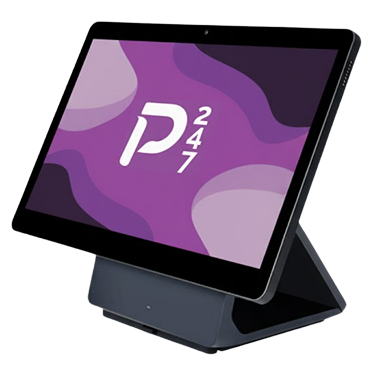
What Are EPOS Systems?
EPOS stands for Electronic Point of Sale. An EPOS system is a digital solution that allows businesses to process sales and payments while recording important transaction information.
Unlike a basic cash register, an EPOS system can combine several functions within one platform. Depending on the system and configuration, businesses may be able to manage sales, accept card payments, monitor stock, generate reports and track product information.
For businesses considering EPOS Systems Glasgow, it is important to understand that different systems offer different features. The right option should be selected according to the company’s industry, size, transaction volume and operational requirements.
How Do EPOS Systems Work?
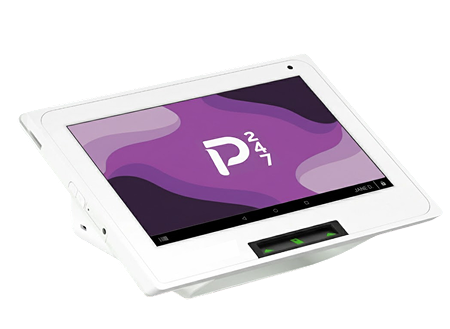
An EPOS system generally connects software with hardware such as a touchscreen till, barcode scanner, receipt printer, cash drawer and card payment terminal.
When a customer purchases an item, the employee can enter or scan the product into the system. The software records the sale and calculates the total amount. The customer can then pay using an available payment method, while the transaction is recorded for future reporting and reconciliation.
More advanced systems may also connect with inventory management, accounting software, customer management tools or online sales platforms.
Why Should Glasgow Businesses Use an EPOS System?
Glasgow businesses operate across many industries, including retail, hospitality, food service, beauty, leisure and professional services. Each business can have different requirements, but an effective EPOS solution can provide several common benefits.
Faster Transactions
Modern EPOS systems can make the checkout process more efficient. Employees can quickly locate products, calculate totals and process payments without relying on manual calculations.
Faster transactions can be especially useful for businesses that experience busy periods, such as restaurants during meal times or retailers during weekends and seasonal events.
Accurate Sales Records
Recording sales electronically can reduce the need for manual paperwork. Businesses can access transaction information and use it to understand sales performance.
Accurate records can also make financial reconciliation easier and help identify trends over time.
Better Stock Management
Some EPOS platforms can connect sales with inventory information. When a product is sold, the system may automatically update stock levels.
This can help businesses identify popular products, recognise low-stock items and make purchasing decisions based on actual sales data.
Improved Customer Experience
Customers expect quick and convenient payment options. An EPOS system combined with a suitable card terminal can help businesses provide a smoother checkout experience.
Contactless cards and mobile payment methods can also make transactions more convenient for customers who prefer cashless payments.
Key Features to Look For
When comparing EPOS Systems Glasgow businesses should consider, several features can be particularly valuable.
Payment Integration
An EPOS system should work effectively with the business’s chosen payment solution. Integrated payment processing can reduce the need to enter transaction amounts manually and help minimise errors.
Sales Reporting
Reporting tools can provide useful information about revenue, transaction volumes, products and trading patterns. Business owners can use these insights when making operational decisions.
Inventory Management
For retailers and other product-based businesses, inventory functionality can be an important consideration. The system should make it straightforward to monitor stock and identify products that require replenishment.
User-Friendly Interface
Employees need to be able to use the system confidently. A complicated interface can slow down transactions and increase training requirements.
Businesses should therefore look for an intuitive system that employees can learn and use efficiently.
Hardware Options
EPOS hardware can include touchscreen terminals, barcode scanners, receipt printers, cash drawers and payment terminals. The required equipment will depend on the business environment.
A small service business may need only a basic setup, while a busy retailer or restaurant may require several connected devices.
EPOS Systems for Different Businesses
The ideal EPOS solution can vary considerably depending on the type of business.
Retail: Retailers can use EPOS technology to process sales, manage product information and monitor inventory.
Restaurants and cafés: Hospitality businesses can use EPOS systems to record orders, process payments and improve the speed of service.
Salons and beauty businesses: Service-based businesses can use EPOS technology alongside payment processing to manage customer transactions.
Leisure businesses: Gyms, entertainment venues and other leisure businesses may use EPOS systems to manage payments and sales efficiently.
Small businesses: Smaller companies can select streamlined systems that provide essential sales and payment functions without unnecessary complexity.
How to Choose the Right EPOS System
Before investing in an EPOS system, businesses should assess their current needs and future plans.
First, consider the number and type of transactions processed each day. A high-volume business may require more powerful hardware and faster processing capabilities.
Next, consider which payment methods customers use. A modern system should work with appropriate card and contactless payment options.
Integration is another important consideration. Businesses that already use accounting, inventory or e-commerce software should check whether the EPOS platform can integrate with those systems.
Cost should also be assessed carefully. Businesses should consider hardware expenses, software subscriptions, transaction charges, maintenance and any additional services.
Finally, customer support should not be overlooked. Reliable technical assistance can be important if a payment terminal or EPOS system experiences a problem during business hours.
Common EPOS Mistakes to Avoid
One common mistake is choosing a system based solely on price. The cheapest option may not provide the functionality required as a business grows.
Another mistake is purchasing unnecessary features. Businesses should focus on functions that provide genuine value rather than paying for tools they are unlikely to use.
Failing to consider staff training can also create problems. Employees should receive appropriate guidance so that they can process transactions efficiently.
Businesses should also check compatibility before purchasing new equipment. Payment terminals, software and other hardware should work together correctly.
FAQs
What are EPOS Systems Glasgow businesses can use?
EPOS systems are electronic point-of-sale solutions that help businesses process sales and payments. Depending on the system, they can also support stock management, reporting and other business functions.
Are EPOS systems suitable for small businesses?
Yes. Small businesses can choose systems with features that match their size and requirements. A simple EPOS setup may be sufficient for a small retailer or service provider.
Can EPOS systems accept card payments?
Many EPOS systems can integrate with card payment terminals. Businesses should confirm that the EPOS platform is compatible with their chosen payment provider and terminal.
Can an EPOS system help manage stock?
Yes. Many EPOS platforms include inventory management features that can track product sales and stock levels.
What should businesses consider before choosing an EPOS system?
Businesses should consider functionality, payment integration, ease of use, hardware requirements, reporting, inventory management, pricing, scalability and technical support.
Conclusion
Choosing suitable EPOS Systems Glasgow businesses can use effectively can improve more than the checkout process. A well-configured system can help businesses manage sales, payments, inventory and reporting while providing customers with a faster and more convenient experience.
The best solution will depend on the business’s industry, transaction volume, operational requirements and future growth plans. By comparing features, costs, integrations and support options carefully, Glasgow businesses can select EPOS technology that supports efficient payment management and long-term development.
Contact
Phone: +44 20 3556 1274
Email: [email protected]
Address: 59-60, Gainsborough House, Thames St, Windsor SL4 1TX.